
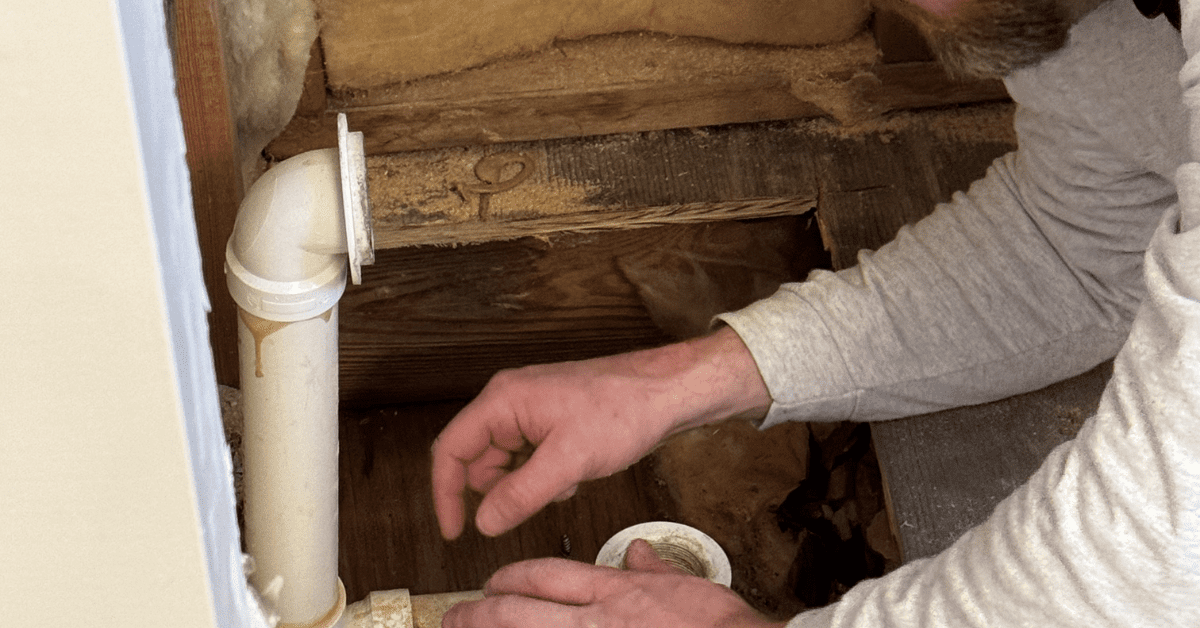
To truly understand the health of an Outer Banks home, you have to look past the fresh salt air and the coastal decor. The real story is told in the “wet zones”; the bathrooms where humidity, salt-spray infiltration, and high-occupancy rental cycles create a corrosive cocktail unlike anywhere else in the country. When assessing the lifespan of coastal plumbing fixtures, you aren’t just looking for aesthetic wear; you are hunting for the invisible “pitting” in valve seats, the microscopic stress fractures in fiberglass, and the tell-tale green oxidation that signals a pipe is ready to fail.
This guide pulls back the curtain on when to invest in a simple fix and when the environment has read a fixture its last rights, ensuring your beach retreat stays a sanctuary.
1. The Bathtub: More Than Just a Basin
When it comes to the tub, the stakes are high because a failure often involves the subfloor. Surface issues like minor chips or dull finishes can often be reglazed, but structural integrity is a different story.
- When to Repair: If you have a high-quality cast iron tub with a simple surface scratch, a professional refinishing can save you thousands.
- When to Replace: If you see “spider-web” cracking in a fiberglass unit or rust around the drain flange that has begun to soft-spot the floor.
Expert Insight: For a deep dive into the specific math of coastal tub maintenance, you’ll want to check out our latest guide: “When Is a Tub Replacement Smarter Than a Repair for OBX Homes?“ It breaks down the threshold where fixing an old basin becomes a “sunk cost” (pun intended).
2. Toilets: The Silent Water Thief
In a rental environment, a running toilet can result in a water bill that rivals a mortgage payment.
- The Scenario: We once walked into a Corolla rental where the owner had replaced the “flapper” three times, yet the toilet still hissed. The culprit? Tiny salt-deposit pits on the flush valve seat.
- The Fix: If the porcelain is cracked or the “innards” are constantly corroding due to salt air exposure, a modern, high-efficiency replacement is the smarter move over constant DIY tinkering.
3. Faucets and Sinks: Aesthetics vs. Integrity
Inland, a faucet might last 20 years. On the OBX, the “green fur” (copper oxidation) can claim a faucet in five.
- When to DIY: If it’s a name-brand faucet (like Moen or Delta) and it’s just dripping from the spout, swapping the cartridge is a 20-minute job.
- When to Call a Pro: If the “P-trap” under the sink feels paper-thin or the mounting nuts are rusted solid to the vanity. Trying to “muscle” these off often results in snapping the copper supply lines hidden behind the drywall.
When to Call a Professional Plumber
Some jobs make you a DIY hero, and others make you a homeowner with an insurance claim.
The DIY “Green Zone” (Safe for most homeowners)
- Showerhead Swaps: Great for improving guest experience.
- Caulking: Maintaining the silicone seal around your tub is the #1 way to prevent subfloor rot.
- Clearing Hair Clogs: A simple plastic “zip” tool can save you a $150 service call.
The Professional “Red Zone” (Call a Licensed Plumber)
- Mixing Valve Replacements: If your shower handle is leaking inside the wall, you need a plumber. Soldering a new valve near wooden studs or fiberglass inserts requires a fire shield and professional precision.
- Water Heater Installs: Between the thermal expansion tanks and the specific venting requirements for high-wind zones, this is not a YouTube tutorial project.
- The Tub Overhaul: As discussed in “When Is a Tub Replacement Smarter Than a Repair for OBX Homes?”, a tub swap often involves modifying the “stringer” (the wood support) and the drain assembly. If this isn’t level, you’ll have standing water and mold forever.
Real-World Scenarios: Lessons from the Field
A homeowner in Southern Shores noticed their tub was draining slowly. They used a heavy chemical drain cleaner—three bottles over a month.
The Problem: The “clog” wasn’t hair; it was fine beach sand that had settled in the trap from guests rinsing off after the beach. The chemical cleaner sat on top of the sand, creating a boiling, corrosive slurry that ate through the old metal pipes.
The Resolution: By the time they called, the pipes had cracked, flooding the ceiling of the kitchen below. A professional plumber would have used a wet-vac or a specific snake to pull the sand out, saving the pipes and the ceiling repair.
Scenario B: The Corroded Supply Line
A homeowner in Kill Devil Hills decided to replace their own faucet. They used standard hardware-store supply lines. Because the home was oceanfront, the braided steel rusted within two years and burst while the home was vacant.
- The Lesson: Professionals know to use high-grade, corrosion-resistant materials (like PEX or heavy-duty coated lines) specifically rated for salt-heavy environments.
Proactive Strategies for Coastal Homeowners
To prevent small drips from becoming big water problems, follow this coastal plumbing checklist:
- Install a Leak Detection System: Devices like the Moen Flo can shut off your water automatically if they sense a burst pipe; invaluable for absentee owners.
- Exercise Your Valves: Every six months, turn every shut-off valve under your sinks and toilets off and on. This prevents the salt air from seizing them in place.
- Check the Hidden Plumbing: Once a year, get under your house (if it’s on pilings) and look for salt crusting on copper pipes. This “green fur” is a precursor to a pinhole leak.
Summary: Making the Right Call
In an OBX home, your plumbing is an investment in your property’s “rentability” and safety. While a $20 repair kit is tempting, ask yourself: Is this a permanent fix, or am I just delaying the inevitable?
